
The Bar of Ireland
Orchard Way, Killarney V93Y9W9.
DX: 51010 Killarney
Tel: (087) 4361270
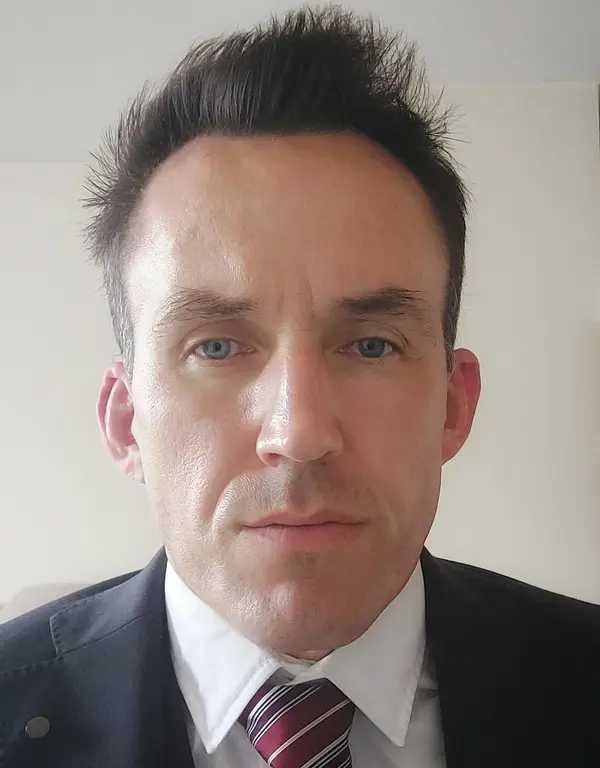
Patrick's legal education is robust, beginning with a BCL Law Degree from University College Cork (2012-2016), followed by an LL.M in Business Law from the same institution (2016-2017), and culminating in a Barrister-at-Law Degree from The Honorable Society of King’s Inns in Dublin (2019-2021). He has extensive experience on the South-West Circuit, handling Civil, Family, and Criminal Law cases, as well as advising the Citizen Advice Service. He has worked as an employment consultant, dealing with workplace investigations and bankruptcy procedures.
The WRC found that the dispute stemmed from unresolved workplace relationship issues during long term sick leave and recommended structured grievance, mediation, and return to work supports rather than attributing fault to either party.
The Complainant claimed that he had been affected by workplace bullying, harassment, and isolation after becoming aware of a WhatsApp exchange involving supervisors. He believed the message had criticised him unfairly and had contributed to stress, illness, and his continued absence from work. He stated that he loved his role and wished to return but felt pushed out and unsupported by the company. He also remained hurt by earlier disciplinary action in 2023, despite the sanction having been reduced on appeal. The Complainant said he had tried to escalate his concerns through the grievance process, but that the matter had not progressed properly. He maintained that the Respondent had been aware of the seriousness of his distress but had failed to resolve his concerns. He sought assistance in navigating a pathway back to work while addressing his perceived workplace obstacles and damaged relationships.
The Respondent disputed the claims and stated that it had taken the Complainant’s concerns seriously when he raised the WhatsApp issue in April 2024. It said management had reviewed the matter, spoken to supervisors, reminded them of the need for professionalism, and emphasised that all employees were entitled to dignity and respect. The Respondent stated that feedback had been issued to the Complainant shortly afterwards and that, because he did not respond, it understood the matter had been resolved. It also argued that no formal grievance or dignity at work complaint had been submitted and that internal procedures remained available. The Respondent said the Complainant had been on extended certified sick leave and had attended only some Occupational Health appointments offered to him. It remained open to resolving matters but denied wrongdoing and maintained that the WRC should not replace an incomplete internal grievance process.
The Adjudicating Officer found some merit in the dispute but concluded that the employment relationship had drifted while the Complainant remained on sick leave and pursued other legal avenues. The Adjudicator observed that the Complainant had presented his case alone and had struggled to identify clear steps toward resolution. The Adjudicator accepted that the Complainant had been upset by the WhatsApp issue and had sought to escalate matters but found that he had not clearly activated Stage C of the grievance procedure or set out what remained unresolved. The Respondent had attempted conflict resolution, including mediation, but had not managed the sick leave situation as actively as it might have done. The Adjudicator emphasised that an industrial relations claim should rebuild and resolve workplace relationships, not operate as a rehearsal for personal injuries proceedings. Recommendations were made to support a possible return to work.
Employers should:
- Respond quickly and clearly when employees raise concerns about bullying, harassment, dignity at work, or workplace communications. Even where a matter appears informal, management should document the issue, confirm whether a formal grievance is being made, explain the applicable procedure, and identify the next available stage.
- Manage long-term sick leave actively and constructively. Occupational Health referrals are useful, but they should be supported by regular welfare contact, clear communication, and a documented return-to-work pathway. Where medical information is incomplete or held outside the workplace process, employers should request appropriate consent to share reports with the company doctor.
- Not allow unresolved interpersonal conflict to drift. Mediation, supported meetings, union involvement, and structured grievance procedures can help restore working relationships before positions harden. Where employees pursue parallel personal injury claims, employers should still use industrial relations processes while keeping legal issues distinct.
The full case can be found here.
Continue reading
We help hundreds of people like you understand how the latest changes in employment law impact your business.
Please log in to view the full article.
What you'll get:
- Help understand the ramifications of each important case from NI, GB and Europe
- Ensure your organisation's policies and procedures are fully compliant with NI law
- 24/7 access to all the content in the Legal Island Vault for research case law and HR issues
- Receive free preliminary advice on workplace issues from the employment team
Already a subscriber? Log in now or start a free trial