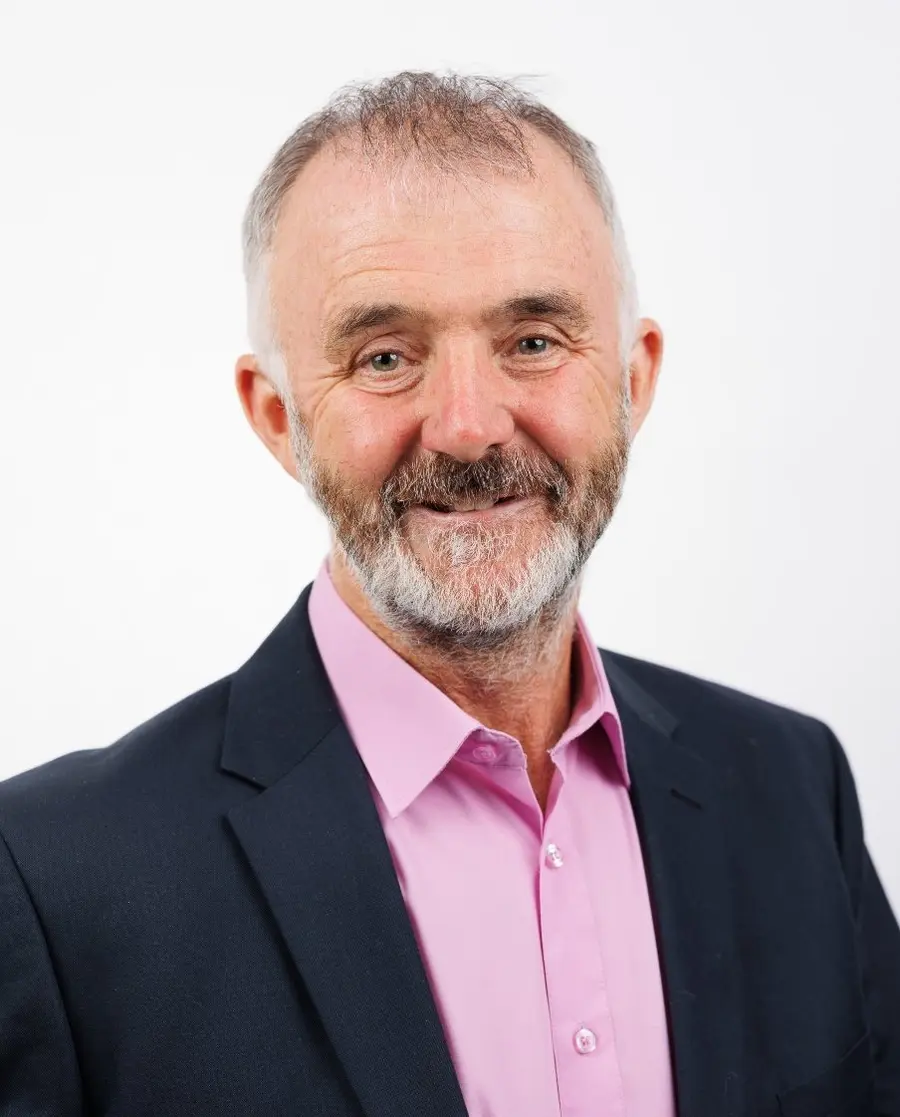


Barry Phillips (CEO) BEM founded Legal Island in 1998. He is a qualified barrister, trainer, coach, and meditator, and a regular speaker here in the UK and Ireland, and abroad.
Barry has completed the Oxford University course “Leading AI Implementation” in June 2026. He has trained hundreds of HR Professionals on how to use GenAI in the workplace and is the author of the book “ChatGPT in HR – A Practical Guide for Employers and HR Professionals”



This week Barry Phillips takes a look at the new jobs types AI will create and it may be very different to what you think.
Transcript:
Hello Humans!
And welcome to the weekly podcast that aims to address an important AI development relevant to HR in around five minutes or less. My name is Barry Phillips
There’s a lot of noise around AI and jobs at the moment. Depending on who you listen to, AI is either going to take everyone’s job by Friday, or magically create a golden age of creativity, productivity and four-day weeks.
As usual, the truth is probably less dramatic, but much more interesting.
One of the best ways to think about AI and work is not simply to ask: “Which jobs will disappear?”
The better question is: “What new types of work become possible when intelligence becomes cheap, fast and always available?”
And that’s where things get fascinating.
A recent podcast by Nathanielle Whittemore set out six types of new jobs that AI is likely to create. Not just one-off job titles like “prompt engineer”, but whole families of work that could emerge as AI becomes embedded in everyday services.
The first is Navigators.
These are people who help others move through complex systems. Think legal services, benefits, healthcare, education, family care or pensions. AI can explain the system, generate options and summarise information. But human beings still need help making sense of it all. A legal matter navigator, for example, may not be a solicitor, but they could help someone understand their choices, prepare documents and know when to escalate to a qualified lawyer.
The second category is Continuous Support Workers.
This is where AI is always watching, tracking or prompting, but a human provides the warmth, encouragement and judgement. Think financial life coaches, mental health support workers, learning pathway coaches or health support navigators. AI might spot the pattern. The human helps the person act on it. Because let’s be honest, knowing what to do and actually doing it are very different things. My smartwatch has told me to stand up about 9,000 times. I remain largely unmoved.
The third group is AI-Augmented Service Operators.
These are people who use AI tools to deliver professional-quality services at a much lower cost. For example, a small business marketing operator could use AI to create campaigns, websites, social posts, customer emails and basic analytics. They may not be a traditional agency, but they can now offer a service that would previously have been too expensive for many small organisations.
Fourth, we have Data and Operations Specialists.
Now, this may not sound glamorous. Nobody is rushing to a party saying, “Tell me more about your workflow validation matrix.” But these roles will matter enormously. AI systems need clean data, good processes and reliable handovers. In healthcare, education, HR and compliance, someone has to make sure the system actually works in the messy real world. That means checking data, fixing process gaps and making sure the human and machine parts fit together.
The fifth category is QA, Safety and Compliance Roles.
This one should make every HR and compliance professional sit up. If AI is helping make decisions, draft advice, assess performance, triage cases or support employees, someone has to ask: Is it fair? Is it lawful? Is it accurate? Can we audit it? Can we explain it? These roles could include AI compliance officers, model auditors, legal AI reviewers and education assessment auditors. In short, the people who stop the machine from confidently doing something stupid.
And the sixth group is Escalation Specialists.
These are the people who handle the hard cases. The grey areas. The emotional cases. The legally risky cases. The cases where a person needs judgement, empathy and accountability. AI may deal with the routine work, but when something becomes complex, sensitive or high-stakes, it needs to be escalated to a human who knows what they’re doing.
So what’s the big lesson here?
AI will not just replace tasks. It will redraw the boundaries of services. Things that were once too expensive, too slow or too specialist may become available to many more people. That creates new demand, and new demand creates new work.
But the best jobs in this new world may not go to the people who understand AI the most. They may go to the people who understand humans the best.
Because the future of work may not be about competing with machines. It may be about standing in the space where machines are powerful, but not wise. Fast, but not accountable. Available, but not trusted. And in that space, the most valuable workers may be those who can bring judgement, care, ethics and courage to decisions that no algorithm should ever make alone.
Until next week. Thanks as always for listening
Bye for now.


 Get the Most from Copilot (Level 1): A Practical Guide for HR