

Ciara O'Kennedy is a Partner in the Byrne Wallace Shields LLP Employment Law Team.
Ciara advises on both contentious and non-contentious employment issues, with significant experience in resolving complex disputes involving the removal of senior executives and employee shareholders, to include providing strategic advice on managing the commercial, legal and reputational risks of implementing senior executive terminations, negotiating and drafting severance packages.
Ciara advises on all legal issues arising out of the employment relationship from recruitment to termination, to include preparing employment contracts, advising on TUPE issues, disciplinary matters, unfair dismissals and employment injunctions, together with partnering with clients to provide tailored training workshops and assisting with the implementation and roll out of employment policies. Ciara is a regular speaker at employment events and contributes articles to various publications on employment law issues.
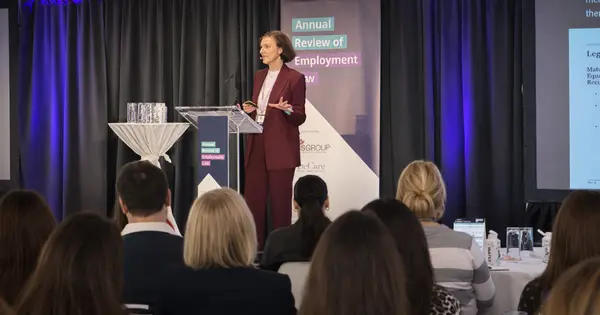
Following her popular presentation on the Directive in our Annual Review and its subsequent implementation, Ciara O'Kennedy, Partner in LK Shields Solicitors LLP, provides her insights on the implications for employers.
The European Union (Transparent and Predictable Working Conditions) Regulations 2022 were signed into law, and came into force, on 16 December 2022. The Regulations implement Ireland’s obligations, under Directive (EU) 2019/1152 on transparent and predictable working conditions in the European Union, into national law.
The low-key introduction of the Regulations just before Christmas may have diminished the significance of the changes that the Regulations have introduced (particularly on contracts of employment and terms and conditions of employment).
The Regulations create new employee rights and amend employers’ obligations under the
Continue reading
We help hundreds of people like you understand how the latest changes in employment law impact your business.
Please log in to view the full article.
What you'll get:
- Help understand the ramifications of each important case from NI, GB and Europe
- Ensure your organisation's policies and procedures are fully compliant with NI law
- 24/7 access to all the content in the Legal Island Vault for research case law and HR issues
- Receive free preliminary advice on workplace issues from the employment team
Already a subscriber? Log in now or start a free trial