

Motivating Remote Workers
Published on: 21/04/2022
Article Authors The main content of this article was provided by the following authors.
Caroline Reidy Head of HR Solutions, NFP
Caroline Reidy new pic

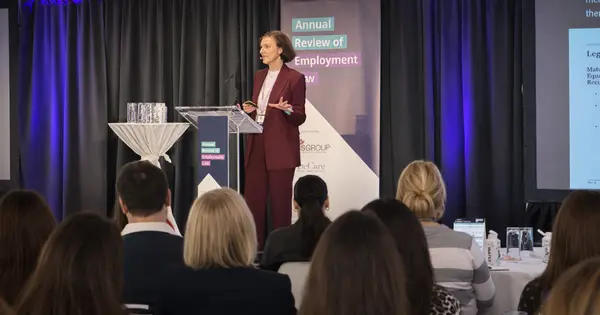
Caroline Reidy is Head of HR Solutions at NFP and a HR and Employment Law Specialist. Caroline sold her company, The HR Suite, in 2025 to NFP, an AON Company, and as of 17th November 2025 The HR Suite officially rebranded to NFP.

Caroline is a former member of the Low Pay Commission and is also an adjudicator in the Workplace Relations Commission. Caroline is also an independent expert observer appointed by the European Parliament to the Board of Eurofound. Caroline is also on the Board of the Design and Craft Council Ireland and is a Governor on the Board of Munster Technology University.   

She has also completed a Master's in Human Resources at the University of Limerick, and she is CIPD accredited as well as being a trained mediator.  Caroline completed her diploma in Company direction from the IOD with a Distinction and completed her assessment to become a Chartered Director of the IOD.  Caroline had worked across various areas of HR for over 25 years in Kerry Group and in the retail and hospitality sector, where she was the Operations and HR Director of the Garvey Group prior to setting up The HR Suite in 2009.

She has also written 2 books, has done a TEDx and is a regular conference speaker and contributor to national media and is recognised as a thought leader in the area of HR and employment law.  Caroline also mentored female entrepreneurs on the Acorns Programme.  Originally from Ballyheigue, Co. Kerry, now living in Dublin, is very proud of her Kerry roots.
How to Motivate your Team who are Working Remotely?

For many, the hybrid method of working has become a very attractive prospect. With agreement from the employer, an employee can work from home for a number of days and are tasked to come into the office for the rest of their working week.  Some employers may choose to allow their employee to continue working from home full time.

This flexible style of working has many benefits for both the employer and employee.  However, we must consider how we can ensure this is a positive experience for the remote worker and that the remote worker remains as motivated at home, as they are in the office.

So, how do we as employers create this positive environment around our employees who are working remotely when we are not in the same physical space as them?

There are many factors to consider

1. Communication

Consistent and regular communication with those who are working remotely is key to keeping staff engaged and making sure they are aware of what is happening on the ground.  Don’t forget to have regular check-ins with your remote workers, putting time aside to schedule in a call to connect with them on a regular basis.

Enquire how they are adjusting to the new work environment and offer your support with any challenges they may be having.  Special occasions should be celebrated, send a birthday card or gift in advance, put those dates in your diary. Small gestures will play a huge role in the kind of relationships you create and maintain at work.

2. Work Space

An employee must have a dedicated workspace or office which affords them the quiet time required and the ability to focus without distractions.  The right work environment will be a key driving force in their motivation to do the job.   When in their own space staff can choose to wear more casual clothes, they can adjust the heating to whatever temperature they wish, they can listen to music and ultimately, they have the autonomy to shape their own workspace.  This flexibility of making their own choices while in their own workspace helps in our quest to afford them the right work life balance.

3. Health & Safety

It is important that their work environment is conducive to their role.  Remember, you have a duty of care to ensure that their place of work is a safe one.  An ergonomic assessment must be carried out in advance to prevent Muscular-Skeletal problems later.  All office equipment will need to be provided at their remote place of working. Ultimately, a safe working environment will enhance the employee’s view of how they are valued in the Company.

4. Staff Wellbeing

Staff who work remotely may be experiencing feelings of being left out when they are not in direct contact with their fellow team members.  Collaboration and friendships with colleagues play an important part in our working life. We are naturally motivated by human connection and that sense of belonging which is difficult to achieve in a virtual world.  Wellbeing initiatives such as a virtual lunch or a mid-morning activity such as completing the crossword online with some of the team, will encourage conversation and help with inclusivity.

5. Recognition

It is important to recognise and celebrate the achievements of those who work remotely in the same way as you reward those who are working on site. Call staff out in meetings to highlight the wins of the previous week or where a staff member helped out another who was under pressure to meet a deadline.

6. Disconnect from work

It is important for staff to know where to draw the line between working and living, which can be difficult when your living space is also your workspace.  Staff must be able to disconnect from work and it is important that employers remind workers that the laptop is switched off at the end of their shift and they are not tempted to continue working past the required working hours.

In conclusion, maintaining an open working relationship with those who are not in the office is just as important as when they are in the office. Positive workplace relationships especially while staff are remote working, not only assists with driving productivity, but also gives an opportunity to show employees how valued they are. If done correctly through regular check-ins, awareness of an appropriate remote workspace and promoting employee wellbeing, the home working experience can be its own form of motivation for employees.

Continue reading

We help hundreds of people like you understand how the latest changes in employment law impact your business.

Already a subscriber?

Please log in to view the full article.

What you'll get:

  • Help understand the ramifications of each important case from NI, GB and Europe
  • Ensure your organisation's policies and procedures are fully compliant with NI law
  • 24/7 access to all the content in the Legal Island Vault for research case law and HR issues
  • Receive free preliminary advice on workplace issues from the employment team

Already a subscriber? Log in now or start a free trial

Disclaimer The information in this article is provided as part of Legal Island's Employment Law Hub. We regret we are not able to respond to requests for specific legal or HR queries and recommend that professional advice is obtained before relying on information supplied anywhere within this article. This article is correct at 21/04/2022